Pipe Fittings & Connection Types: Identification, Pros and Cons
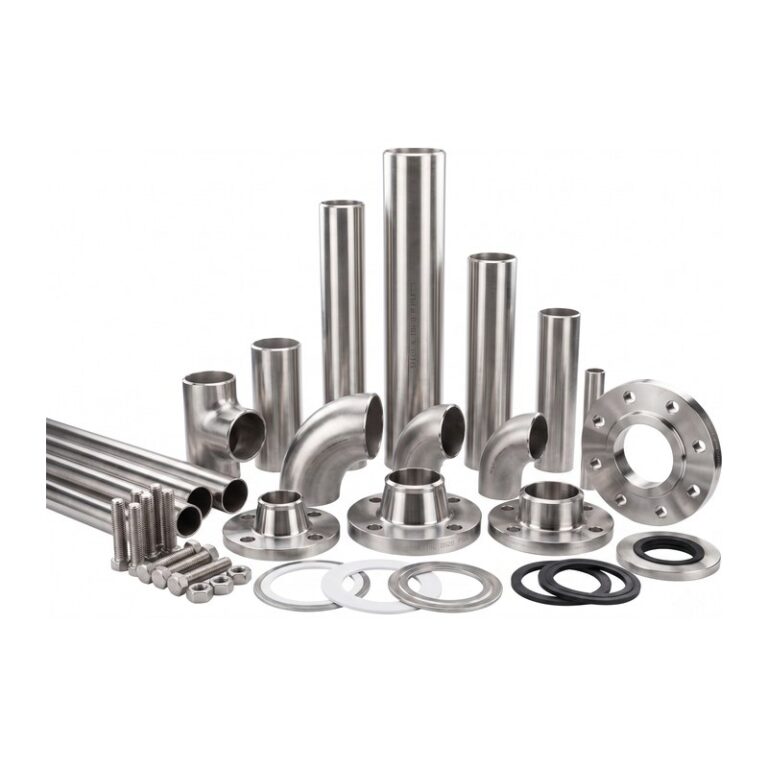
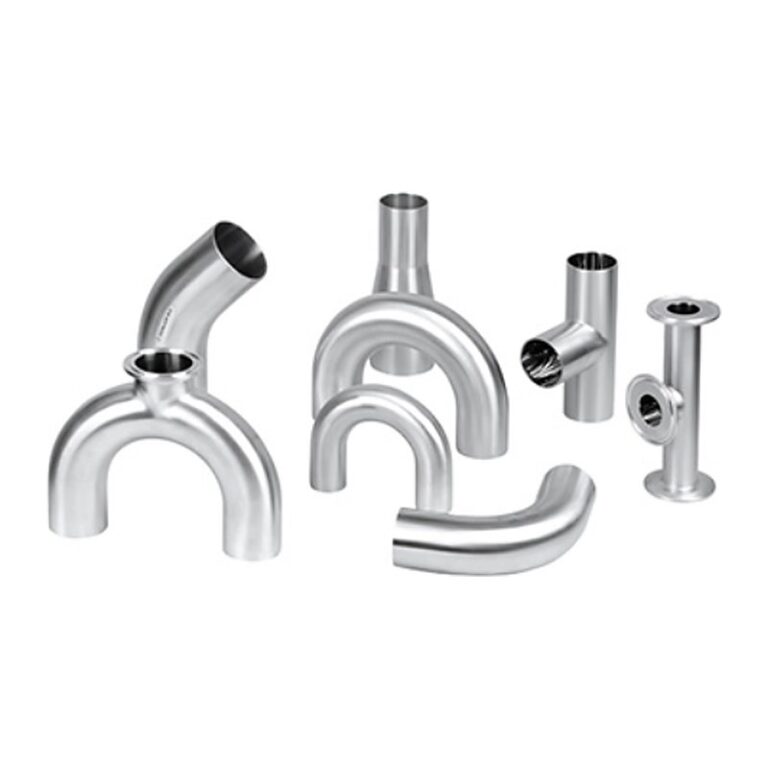
Fittings are the components that let a pipeline change direction, branch, change size, join and close off. This article shows the common fittings with photos for easy identification, together with the pros and cons of each connection type: butt weld, socket weld, threaded, flanged, hygienic clamp and grooved coupling. Click an image to enlarge it.
This is the second article in our piping series. Previous article: Industrial piping classification by material, standard and application.
1. Direction change – Elbows
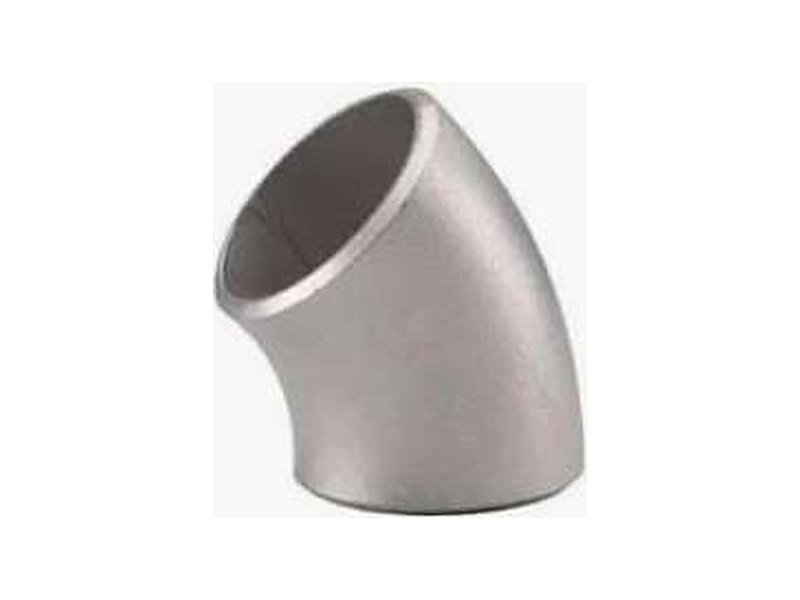
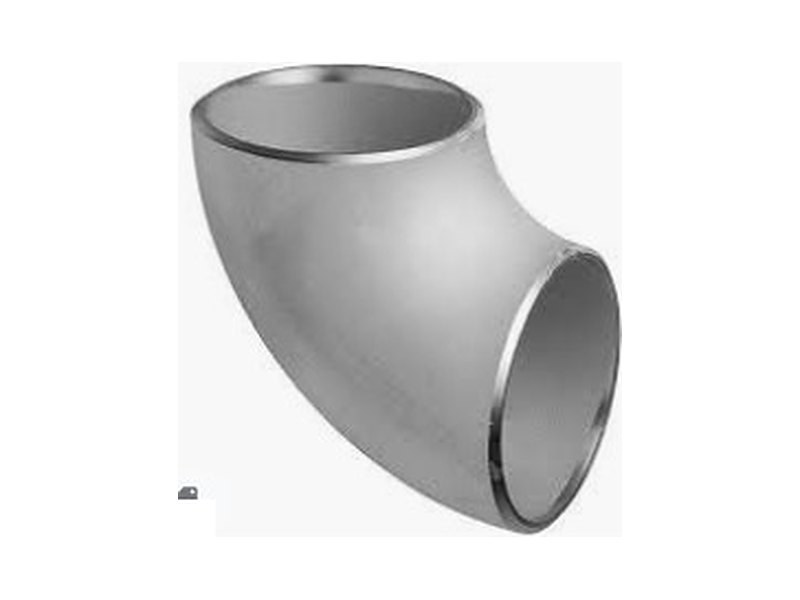
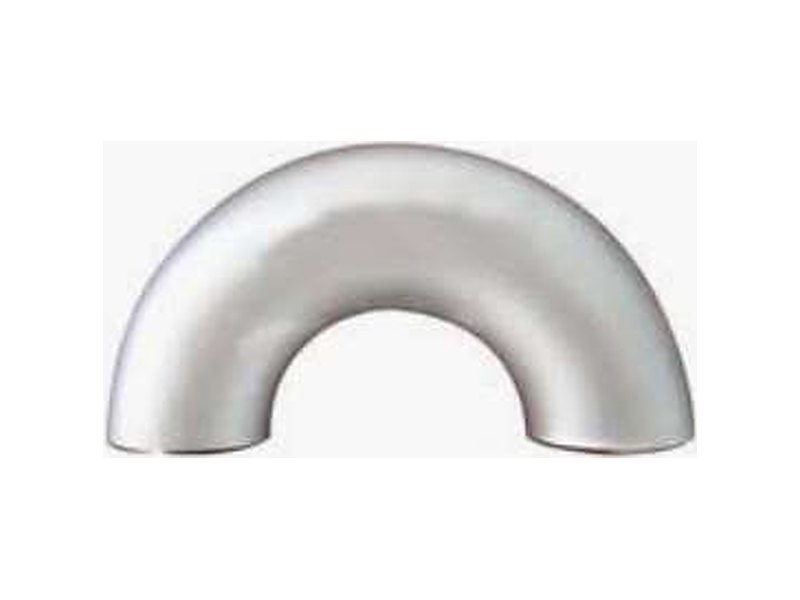
Elbows come in two radii: long radius (LR) elbows with a bend radius of 1.5 × the nominal size, low pressure loss and the default choice; and short radius (SR) elbows with a radius of 1 × the nominal size, used only where space is tight because the pressure loss is higher.
2. Branch fittings
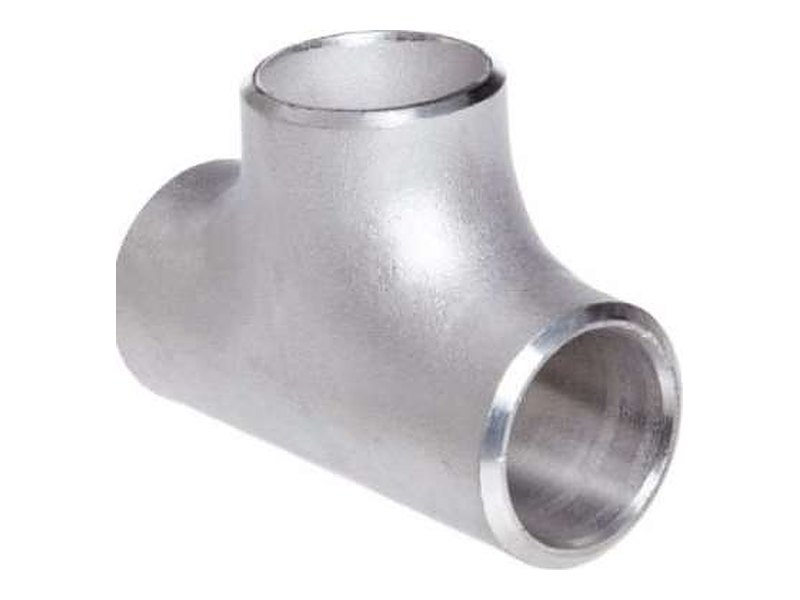
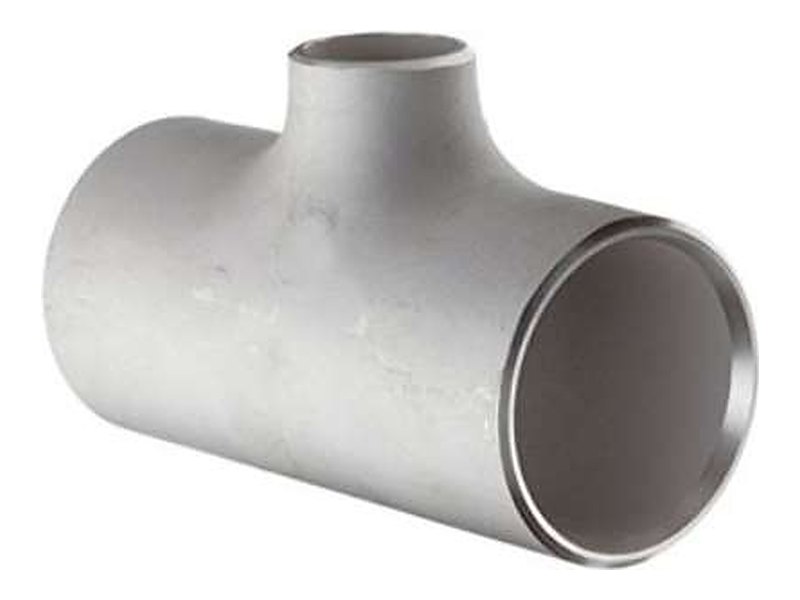
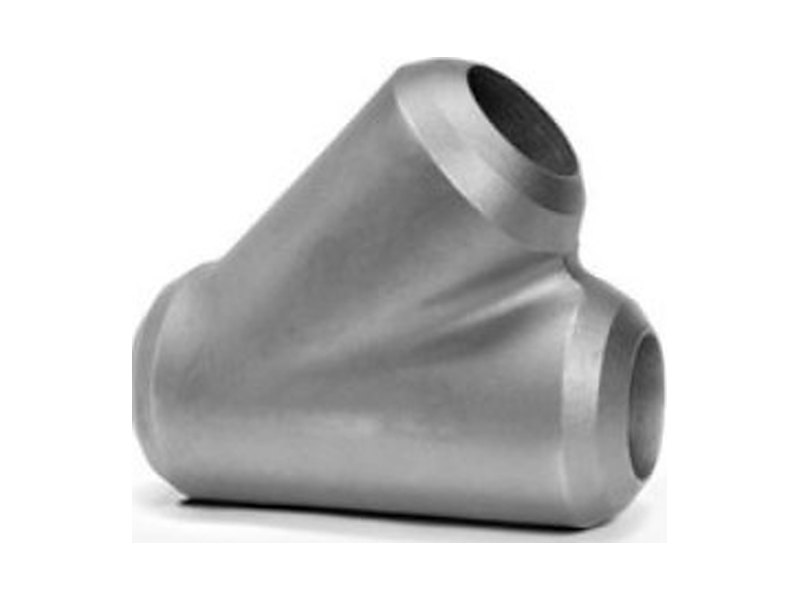
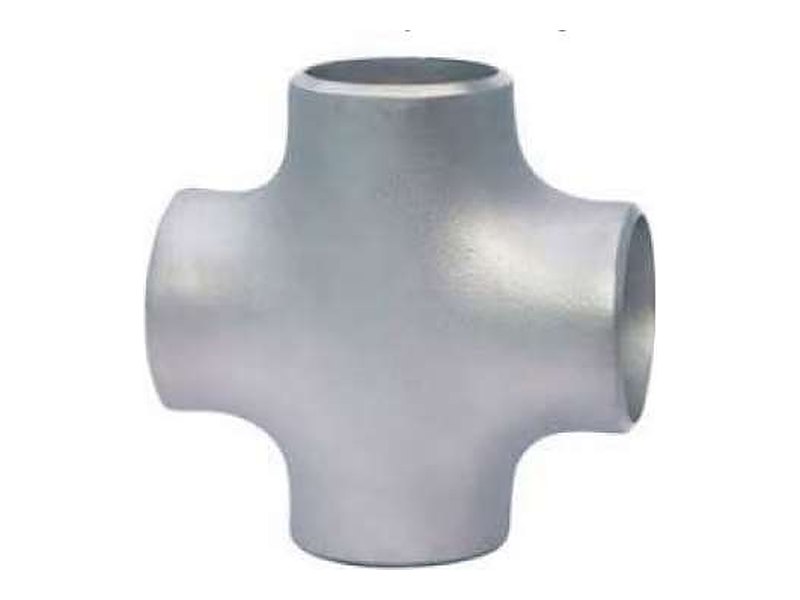
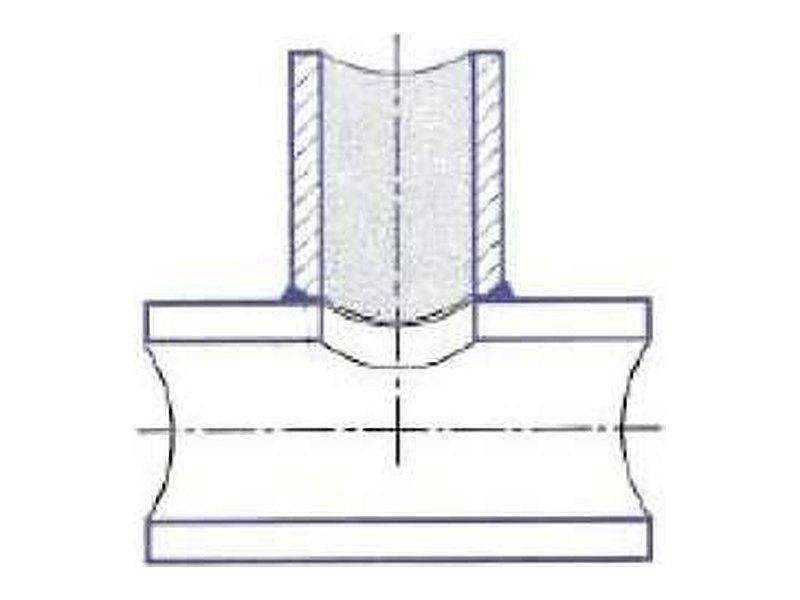
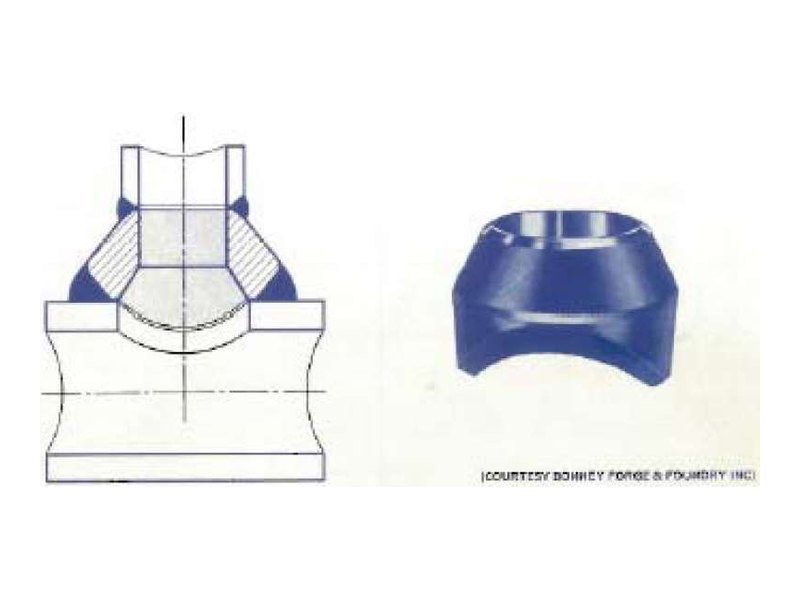
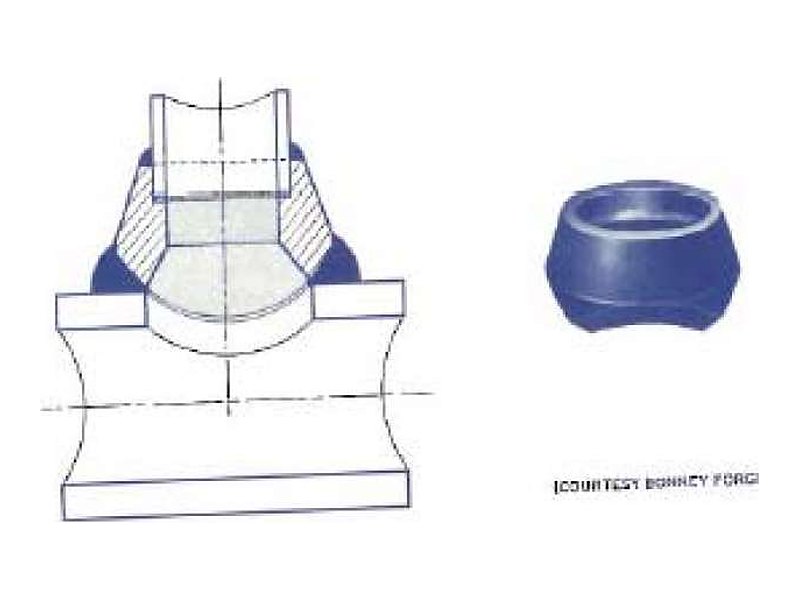
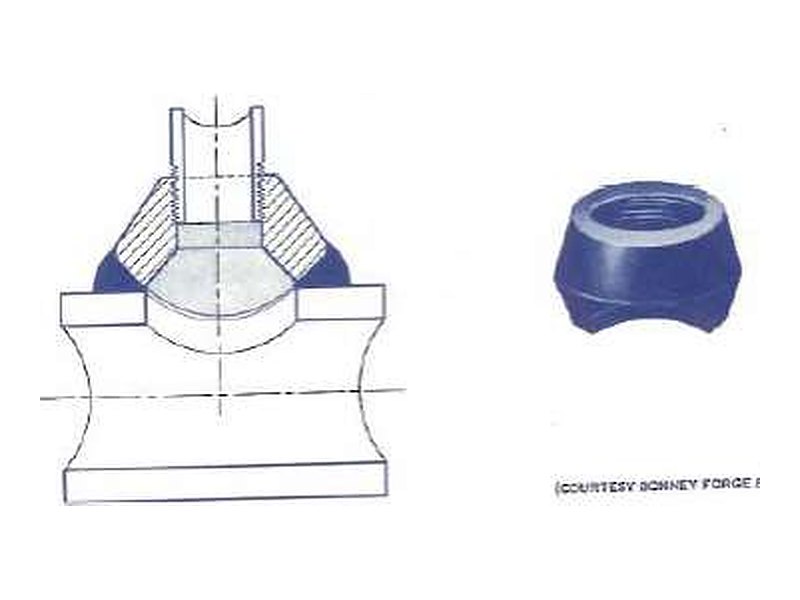
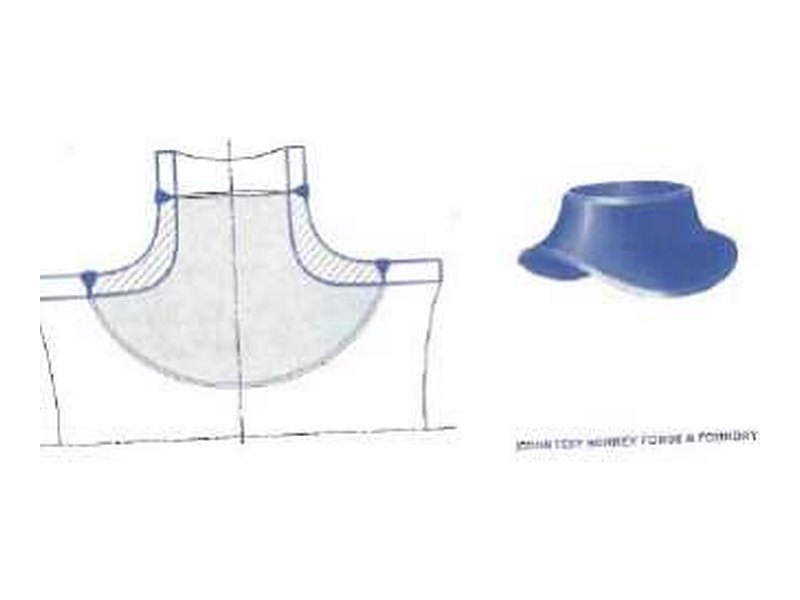
Olets – branch outlet fittings
Olets are forged to match the curvature of the run pipe and welded onto it, replacing a tee when the branch is much smaller than the run. The olet itself provides the required opening reinforcement, so an additional pad is normally not needed.
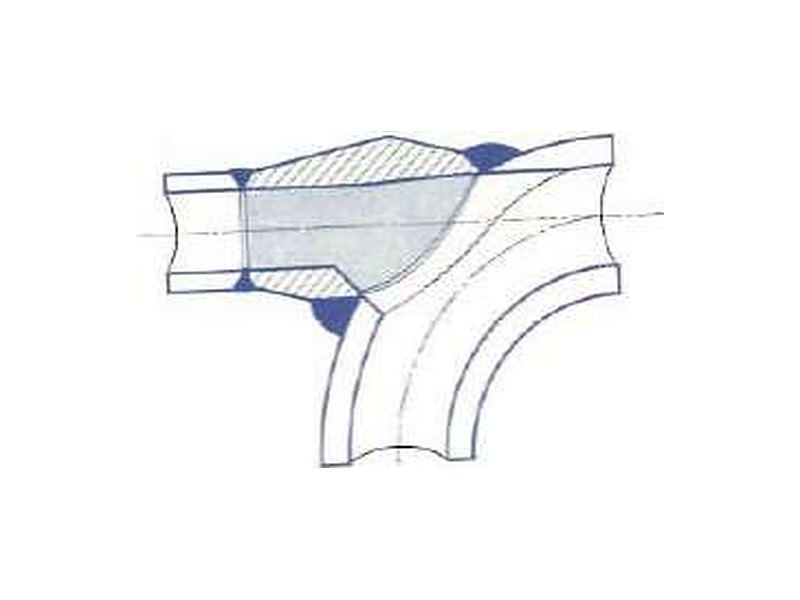
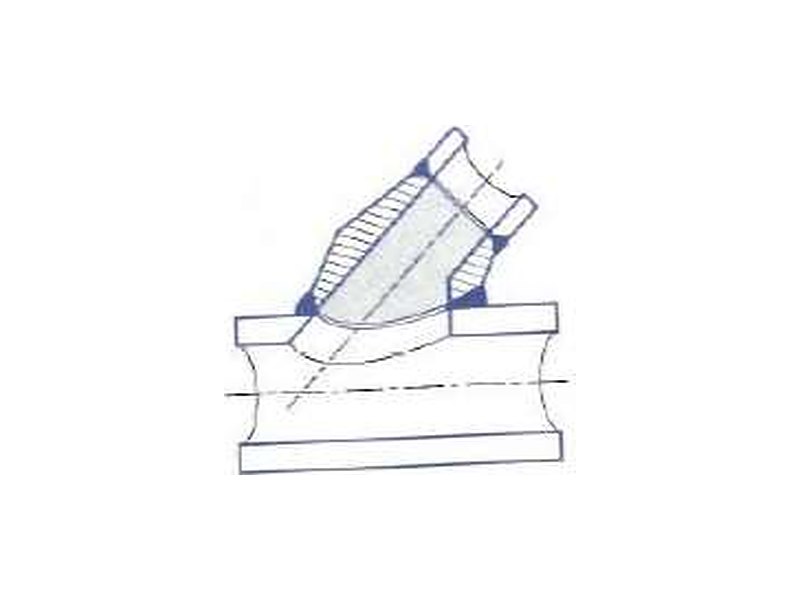
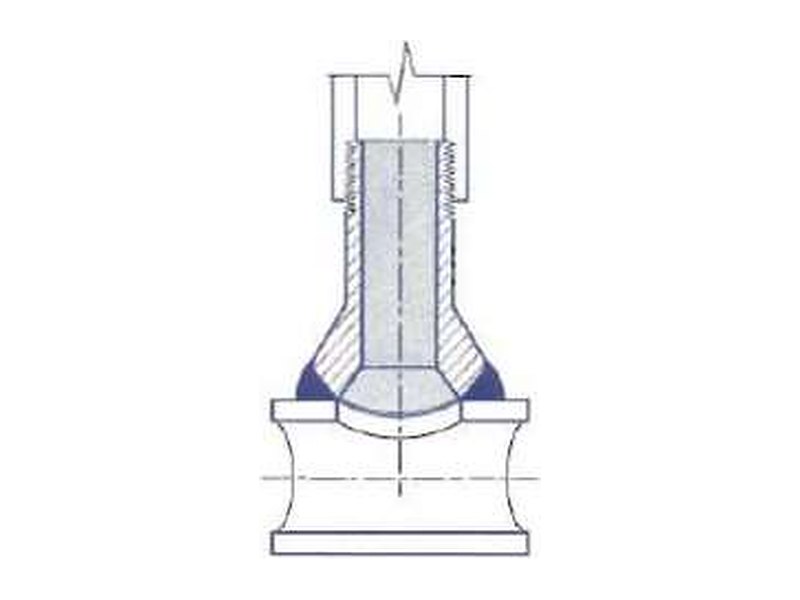
3. Size change – Reducers
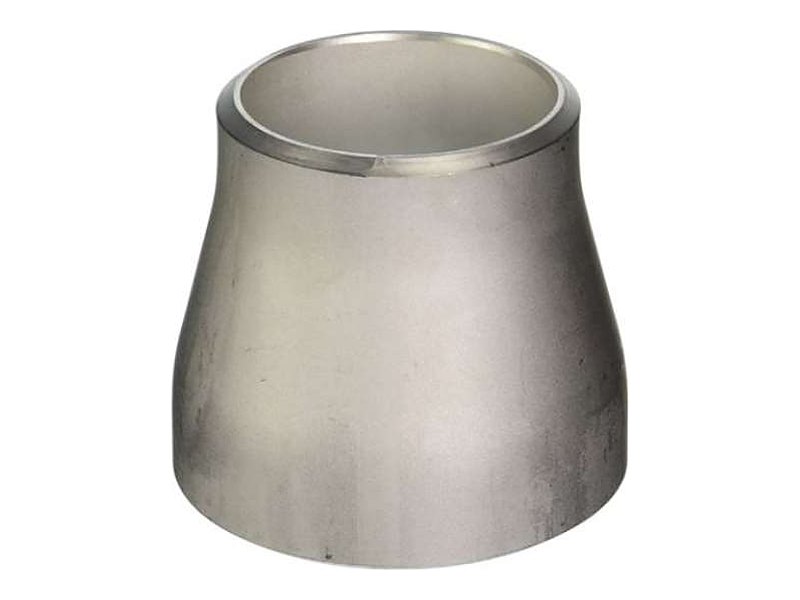
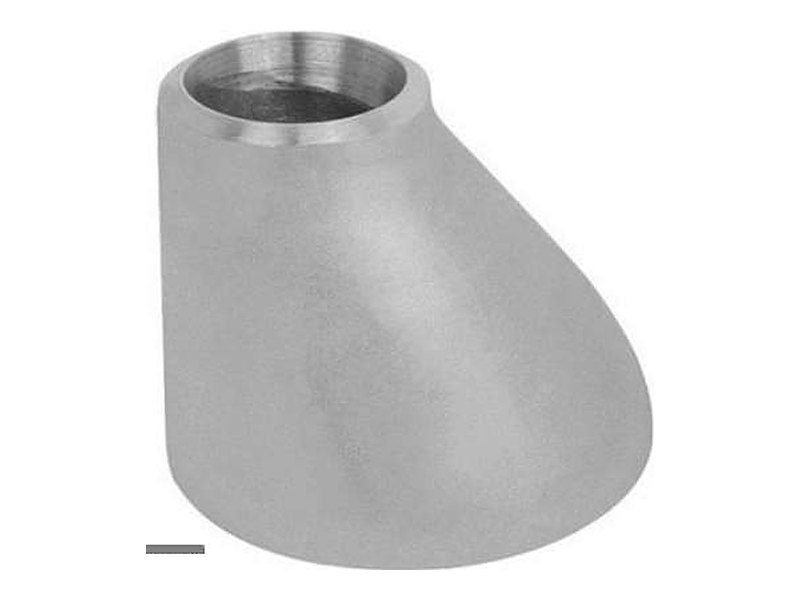
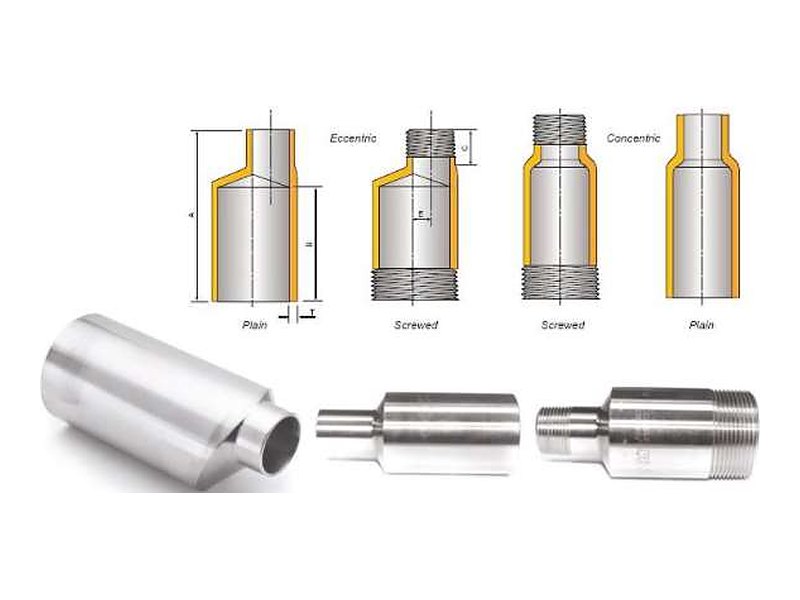
Design tip: at pump suction, eccentric reducers are installed flat on top (FOT) so that no air pocket forms and causes cavitation. For pipes on racks, eccentric reducers are installed flat on bottom (FOB) to keep the same bottom-of-pipe elevation and avoid shimming the supports.
4. Joining and closure fittings
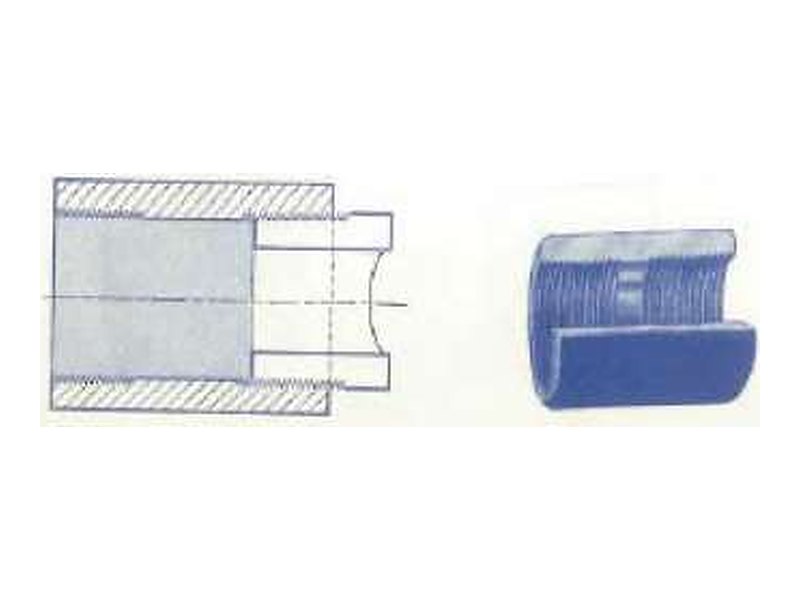
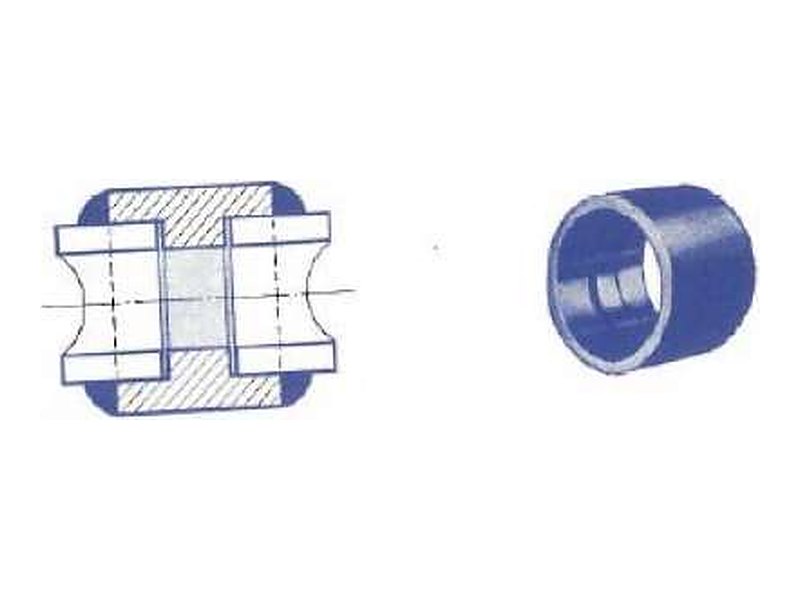
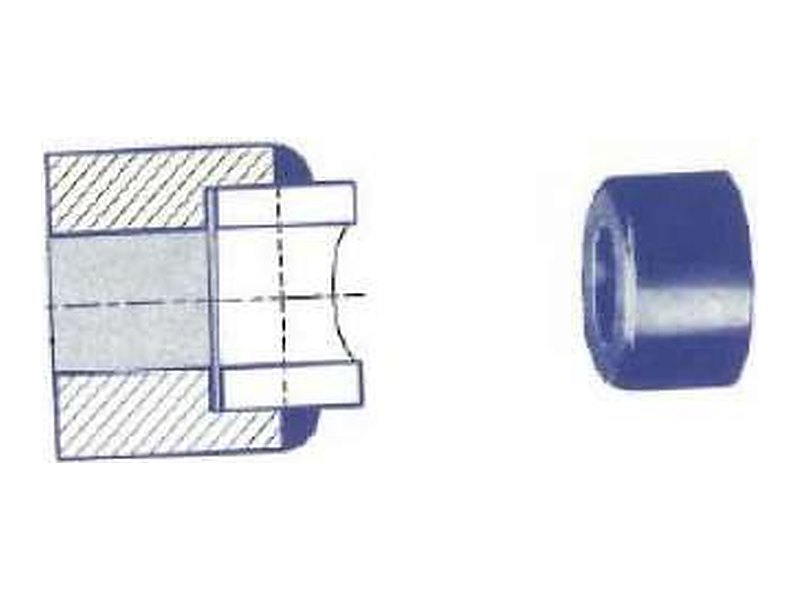
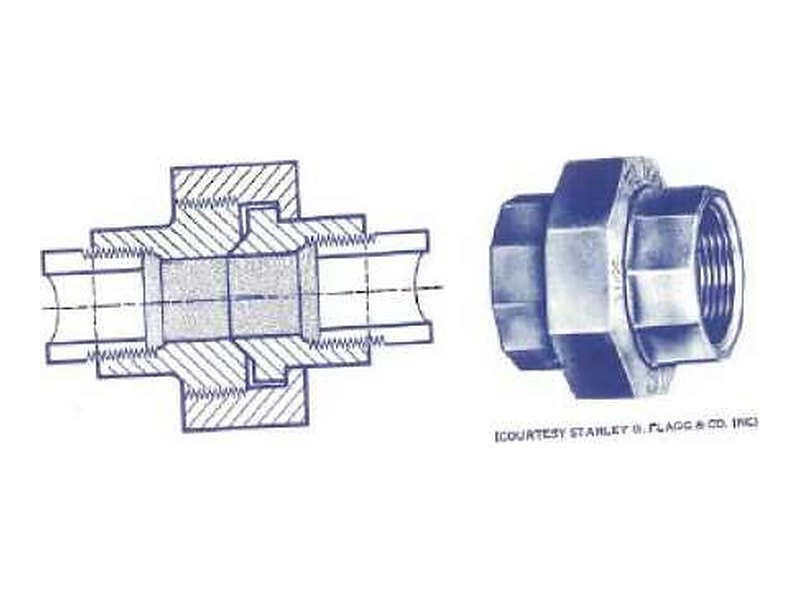
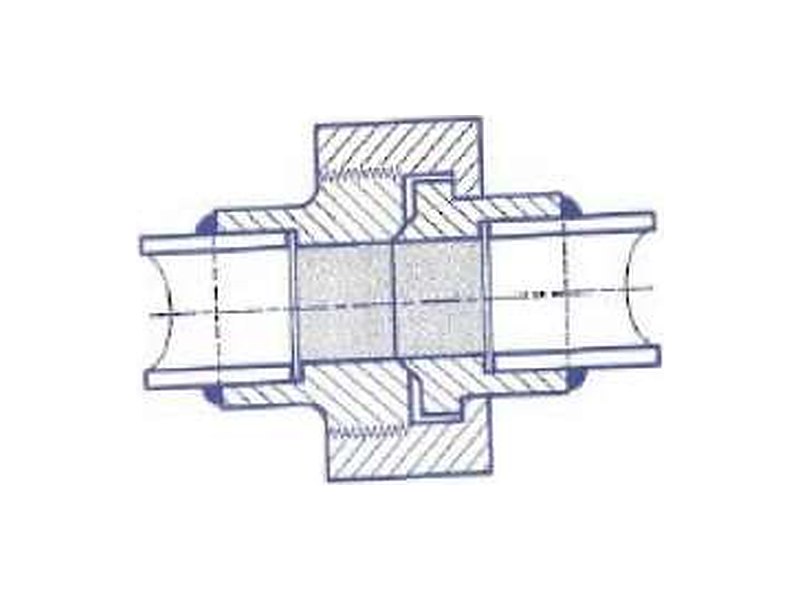
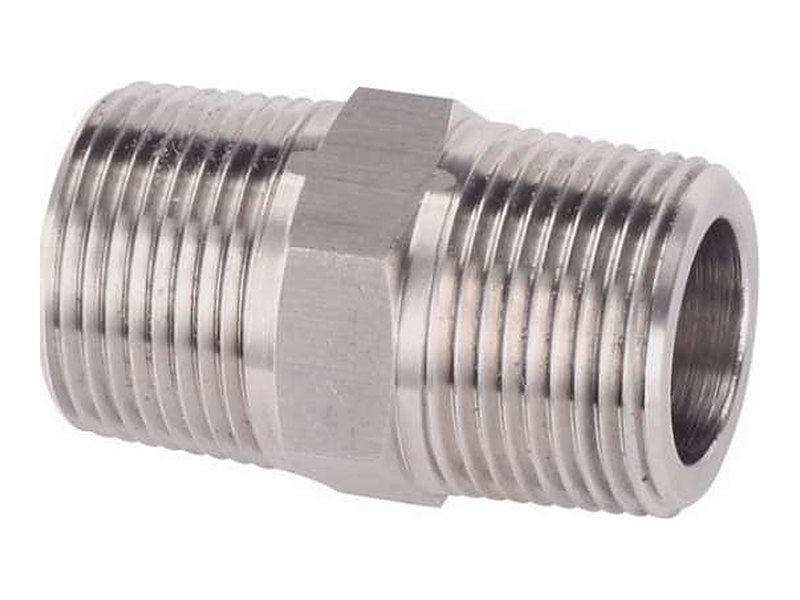
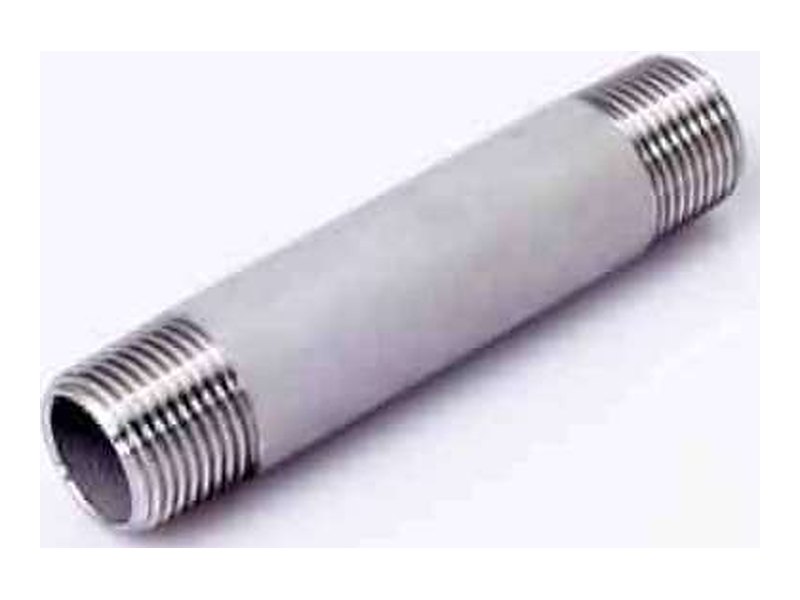
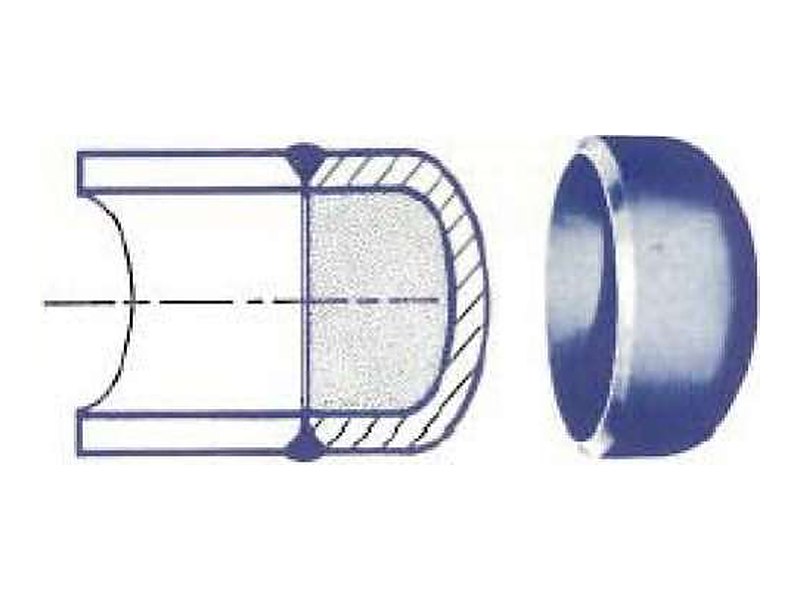
5. Connection types – pros and cons
5.1 Butt weld (BW)
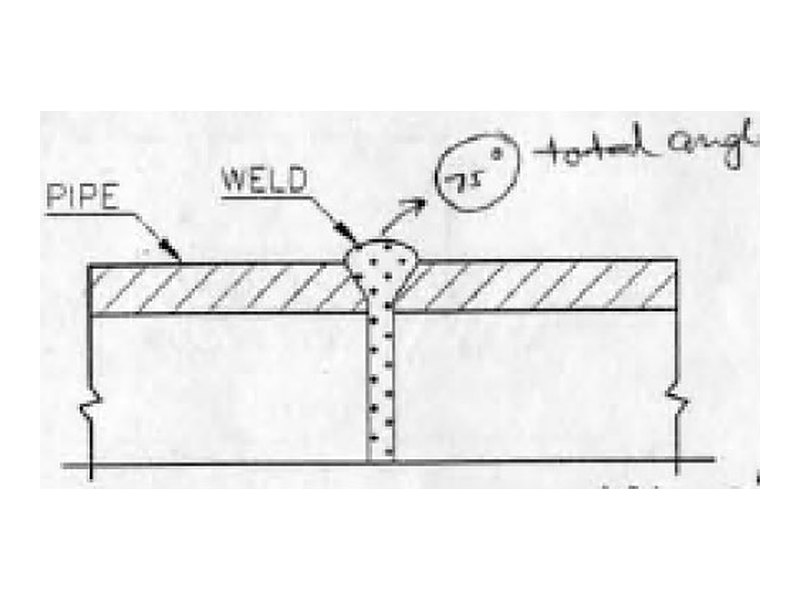
✔ Advantages
- Completely leak-tight and the strongest joint
- Suitable for high pressure and temperature
- Smooth bore, low pressure loss
- Most economical for large sizes
✘ Disadvantages
- Requires bevelling and careful fit-up
- Needs qualified welders and NDT
- Cannot be dismantled
- Weld root protrudes into the bore
Standards: ASME B16.9 (fittings), ASME B16.25 (butt-welding ends)
Use for: DN50 (2″) and larger, main lines, steam, chemicals, high pressure and temperature.
5.2 Socket weld (SW)
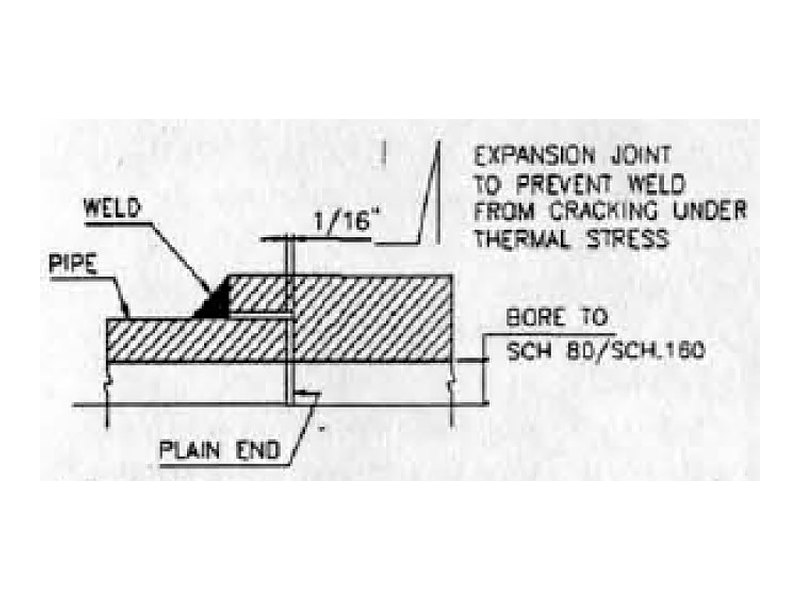
✔ Advantages
- Easy alignment, faster than butt welding
- No weld metal penetrates into the bore
- Leak-tight with good pressure capacity for small bore
✘ Disadvantages
- The gap between pipe and fitting invites crevice corrosion
- Not for hygienic systems or highly corrosive fluids
- Unsuitable for severe vibration
Standards: ASME B16.11
Use for: small bore (usually up to DN50), instrument branches, drains and vents. Installation note: withdraw the pipe about 1.5 mm (1/16″) before welding so the weld does not crack from thermal expansion.
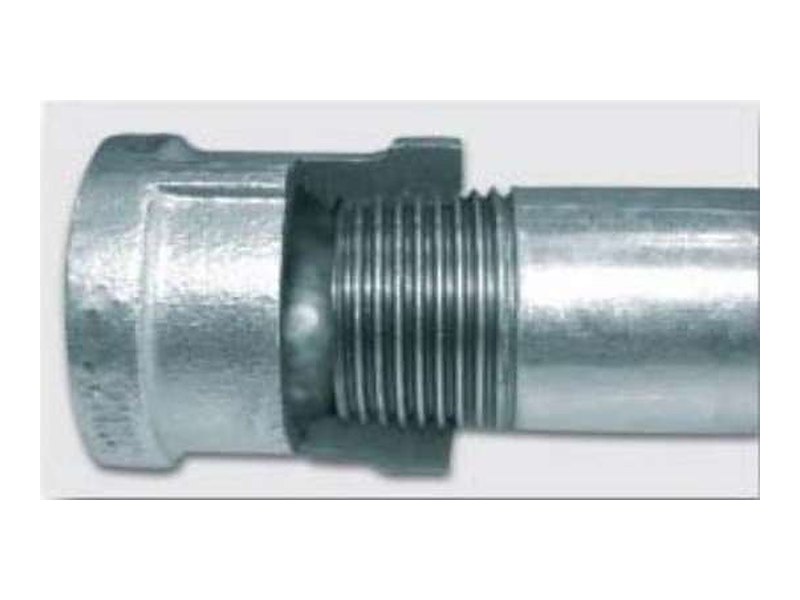
5.3 Threaded connection
✔ Advantages
- Fast field assembly
- No welding; usable in no-hot-work areas
- Can be dismantled
✘ Disadvantages
- Hard to make completely leak-tight
- Threading reduces the wall thickness
- Not for vibration, high temperature, toxic or flammable fluids
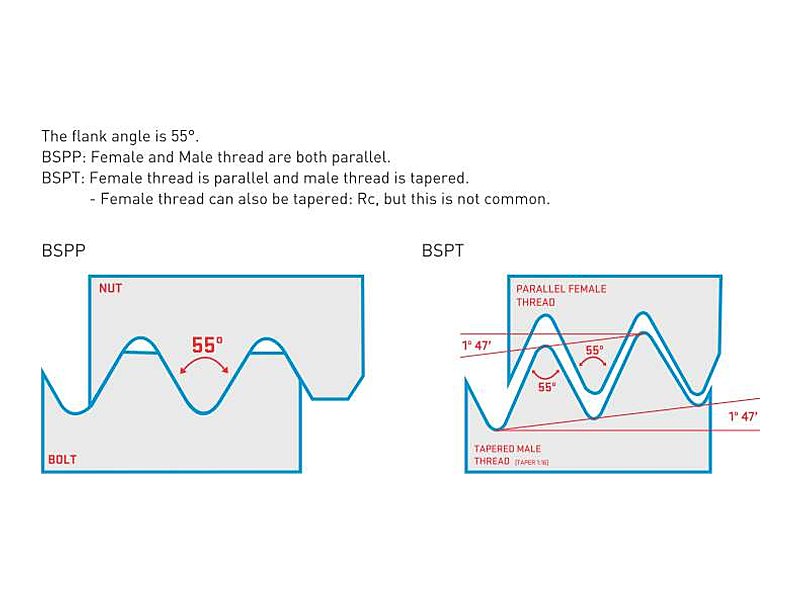
Standards: NPT – ASME B1.20.1; tapered BSP – ISO 7 (R, Rc, Rp); parallel BSP – ISO 228 (G)
Use for: small bore (usually up to DN50): water, compressed air, galvanised pipe, pressure gauges. NPT (60°) and BSP (55°) threads are not interchangeable.
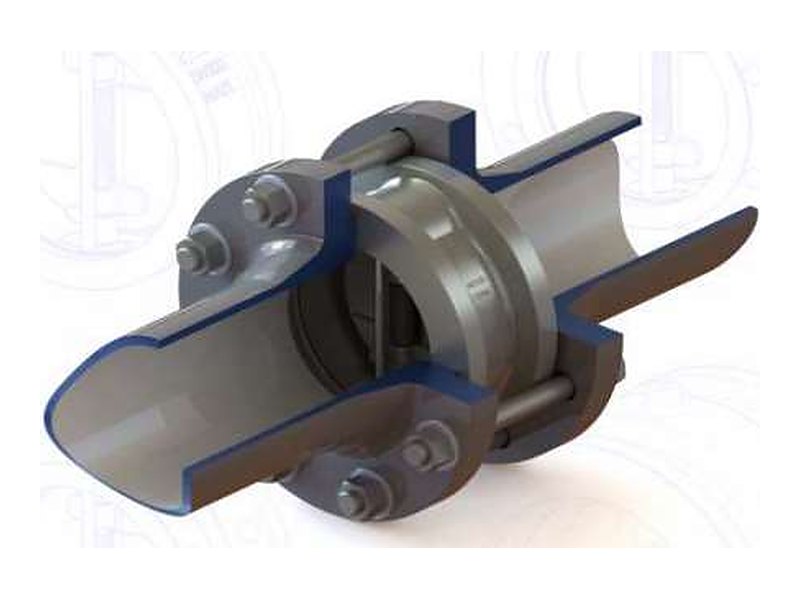
5.4 Flanged connection
✔ Advantages
- Easy to dismantle and maintain
- Connects to valves, pumps, tanks and equipment
- Available for almost all pipe materials
✘ Disadvantages
- Costly and heavy
- Every flange pair is a potential gasket leak point
- Lower bending-moment capacity than a weld
Standards: ASME B16.5 (Class 150, 300…), JIS B2220 (5K, 10K, 20K…), EN 1092-1 (PN10, PN16…)
Use for: valves, pumps, equipment and any point that must be dismantled. JIS 10K and ASME Class 150 flanges are not interchangeable.
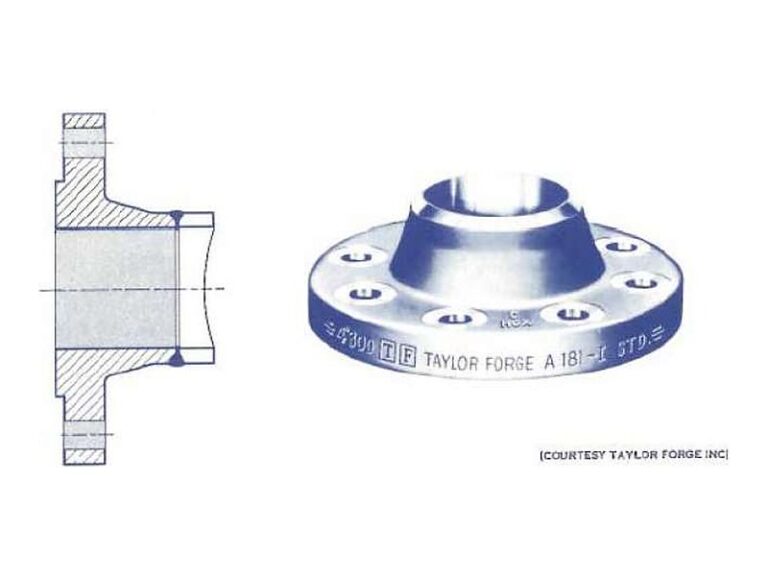
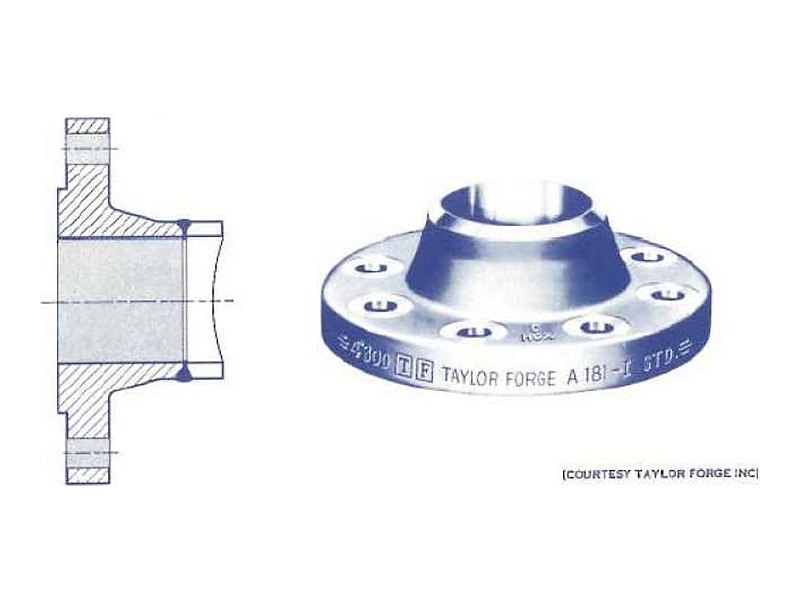
Flange types by attachment to the pipe:
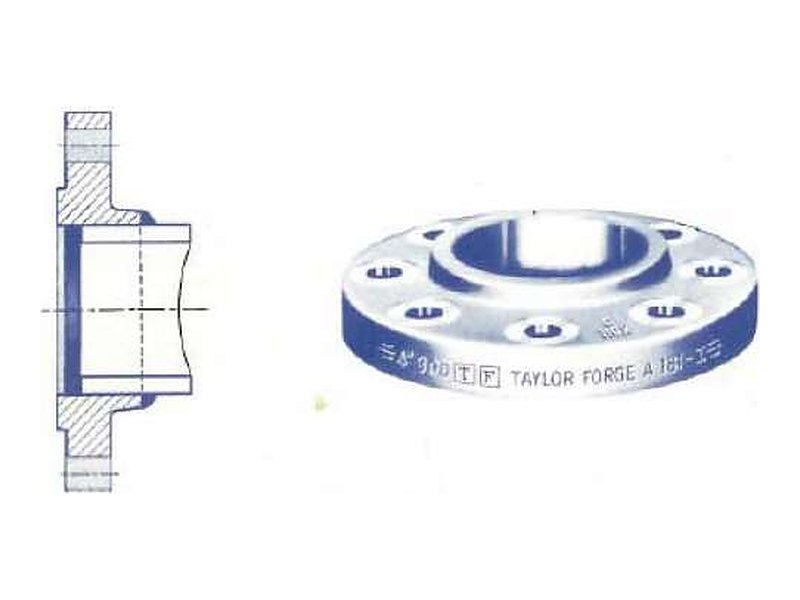
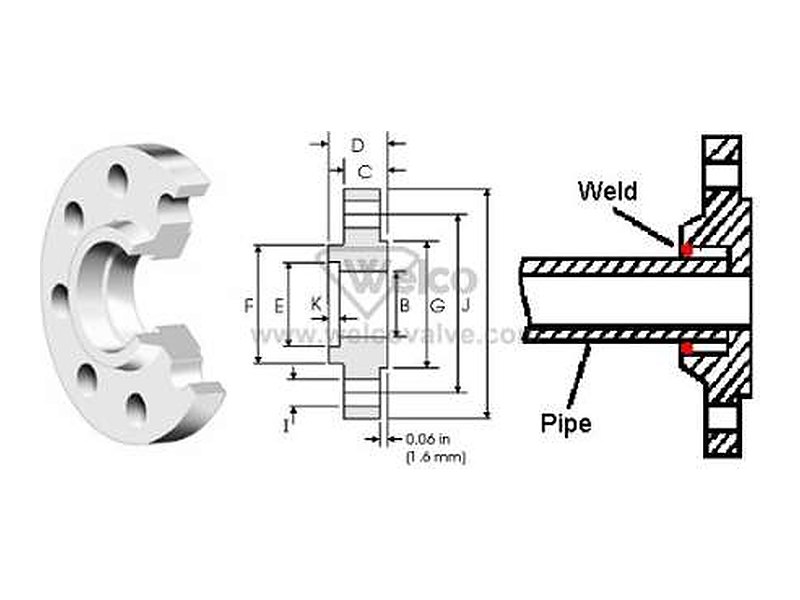
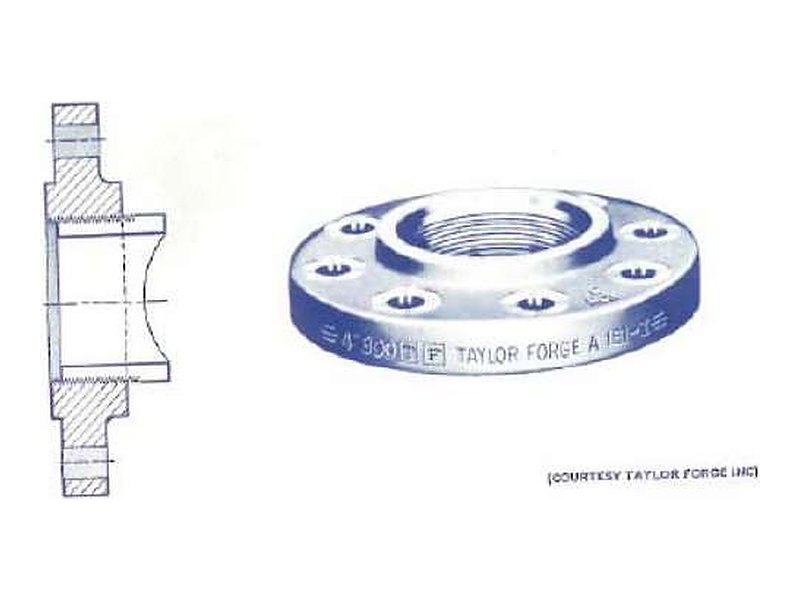
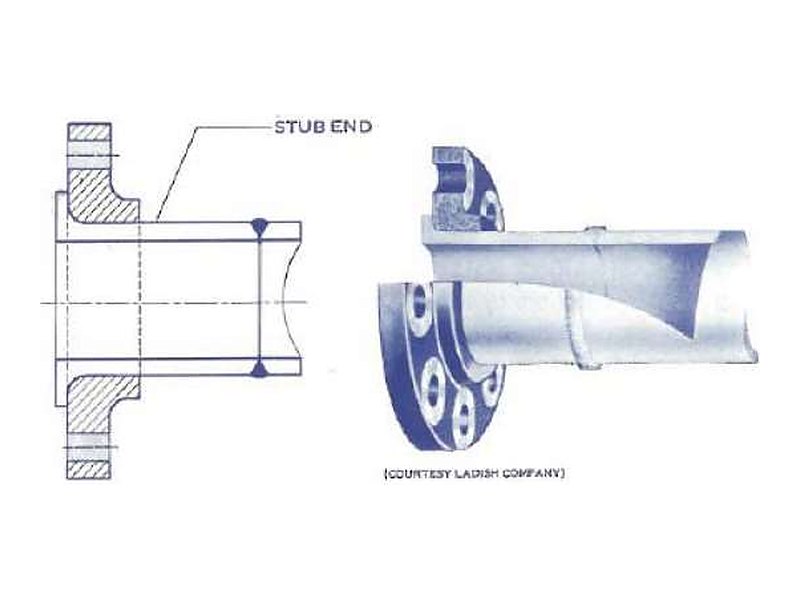
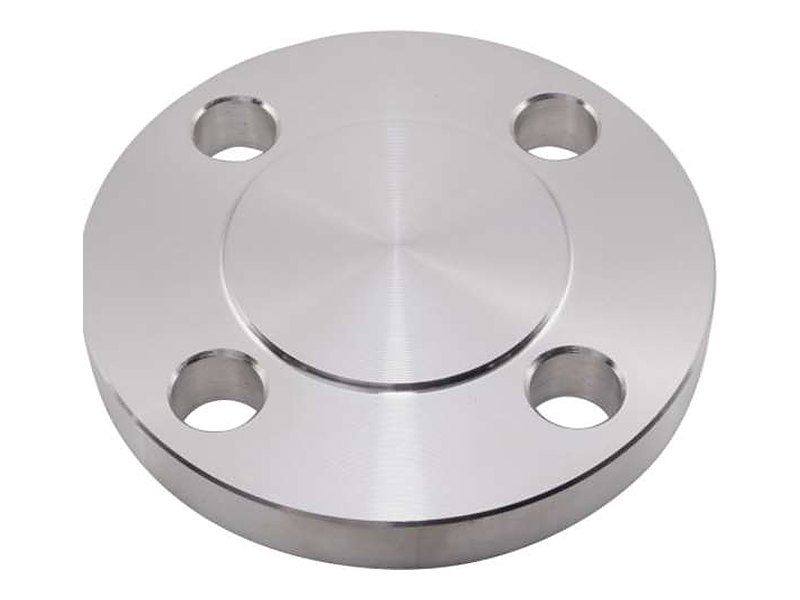
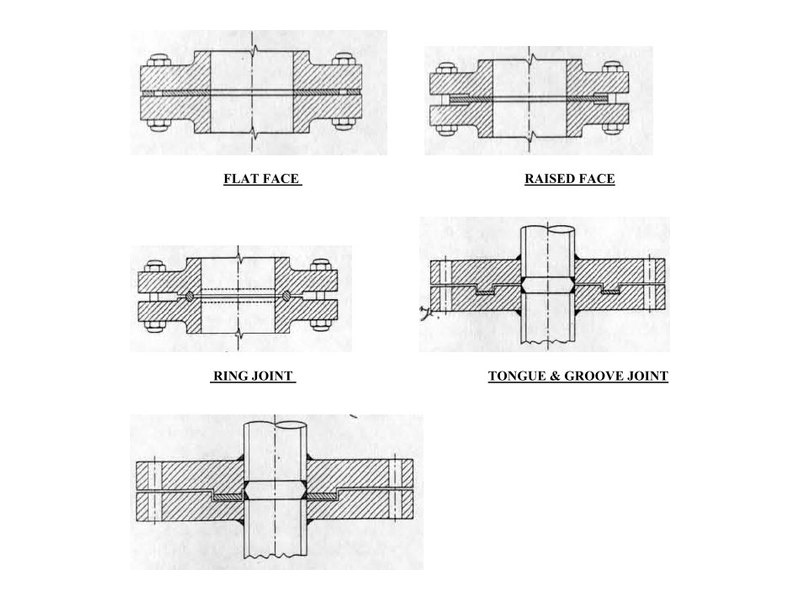
Flange facings:
- FF – Flat Face: for mating with cast iron, plastic or FRP equipment so the flange does not crack.
- RF – Raised Face: the most common facing for steel flanges.
- RTJ – Ring Type Joint: uses a metal ring gasket, for very high pressure and temperature.
- Tongue & Groove, Male/Female: locate the gasket more securely.
Two mating flanges must have the same facing type.
5.5 Hygienic clamp (Tri-Clamp)
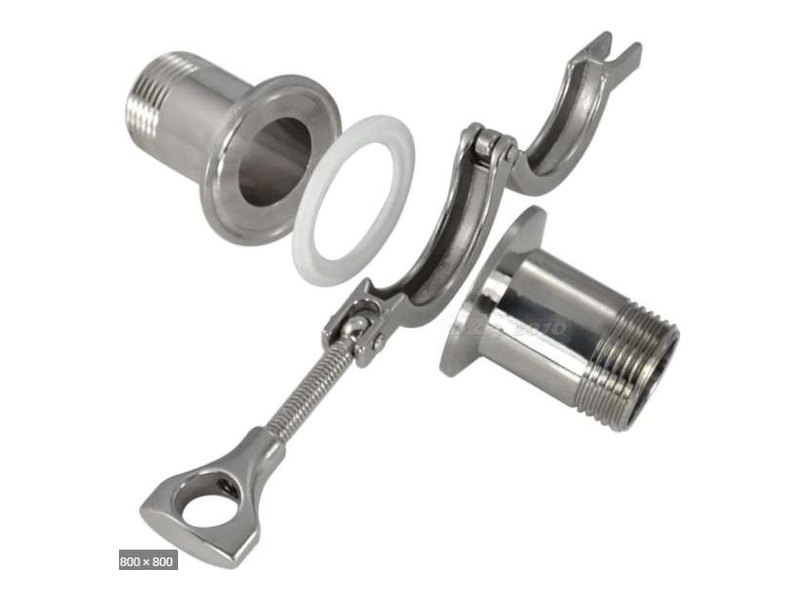
✔ Advantages
- Very fast, tool-free assembly
- Smooth surface without crevices, easy to clean (CIP/SIP)
- Meets the hygiene requirements of food and pharma
✘ Disadvantages
- Limited working pressure
- Gaskets must be replaced periodically
- More expensive than welding
Standards: ISO 2852, DIN 32676, ASME BPE
Use for: hygienic stainless piping, points that are frequently opened for cleaning, instrument and hygienic valve connections.
5.6 Grooved coupling
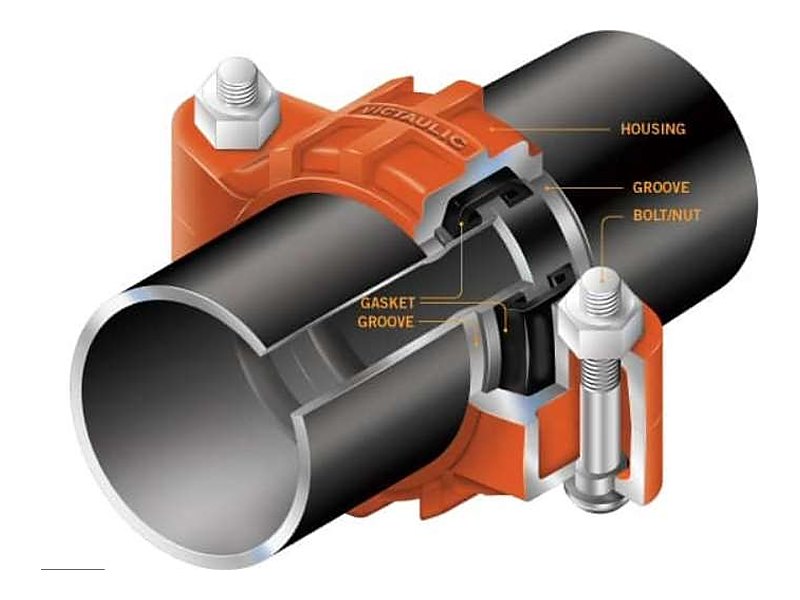
✔ Advantages
- Fast installation without field welding
- Accommodates small misalignment and expansion
- Easy to dismantle
✘ Disadvantages
- Expensive fittings
- Rubber gaskets limit temperature and chemical compatibility
- Pressure thrust must be considered
Standards: Manufacturer standard (usually with UL/FM approval for fire protection)
Use for: fire protection, cooling water, HVAC, large-bore water piping.
6. Quick reference table
| Connection | Typical size range | Pressure / temperature | Dismantling | Typical applications |
|---|---|---|---|---|
| Butt weld | DN50 and larger | High | No | Main lines, steam, chemicals |
| Socket weld | Up to DN50 | High (small bore) | No | Small branches, instruments, drains |
| Threaded | Up to DN50 | Low – medium | Yes | Water, compressed air, galvanised pipe |
| Flanged | All sizes | Per rating (Class, K, PN) | Yes | Valves, pumps, tanks, equipment |
| Hygienic clamp | DN10 – DN100 (typical) | Low | Very fast | Food, pharmaceuticals |
| Grooved coupling | DN25 and larger | Medium | Fast | Fire protection, cooling water, HVAC |
Conclusion
Identifying fittings correctly and choosing the right connection type keeps piping tight, durable and easy to maintain, and avoids wasted materials. When designing in AutoCAD Plant 3D, TNI fixes the fitting and connection types in each project’s piping class, so the isometrics and MTOs always list exactly what needs to be purchased.
Need piping design or fittings?
TNI provides 3D piping design and supplies hygienic stainless steel pipe, fittings and valves, tube fittings and industrial fittings to ASME, JIS and DIN.
See also: Industrial piping classification · Hygienic pipes, fittings & valves · Tube & fitting · 3D/2D plant design
References
- ASME B16.5, B16.9, B16.11, B16.25 – Flanges, butt-welding and forged fittings, butt-welding ends.
- ASME B1.20.1 – Pipe Threads (NPT); ISO 7, ISO 228 – Pipe threads (BSP).
- JIS B2220; EN 1092-1 – Flanges.
- ISO 2852, DIN 32676, ASME BPE – Hygienic clamp connections.
- TNI internal training material “Pipe and Fitting” (2020). Some illustrations are credited to manufacturer catalogues.